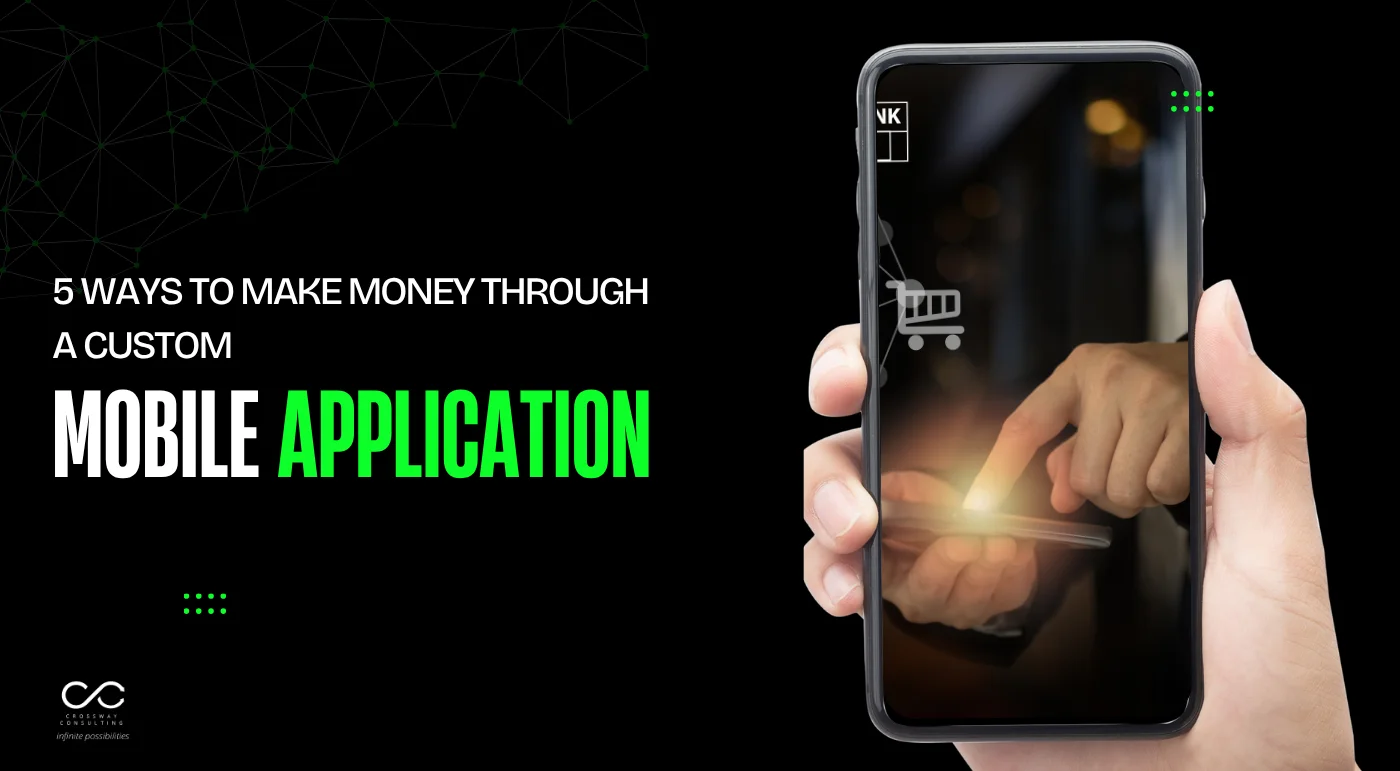
Let’s Talk About Mobile Applications as Profit Centers, Not Just Digital Tools!
The modern world is all about hyperconnectivity and advancements, and this is best exemplified by the growing popularity of mobile apps that are fast evolving into a business asset that can directly impact your bottom line.
The fact that there were over 255 billion app downloads in 2024 suggests that custom app development indeed presents a massive opportunity for businesses to establish their personal brand presence as well as generate revenue streams. In reality, apps aren’t just one step in your digital journey but have the potential to become a self-sustaining profit engine.
So, if you are wondering how to make money selling mobile apps, here are five proven and scalable ways to monetize your custom app effectively.
Offer Premium Features or In-App Purchases
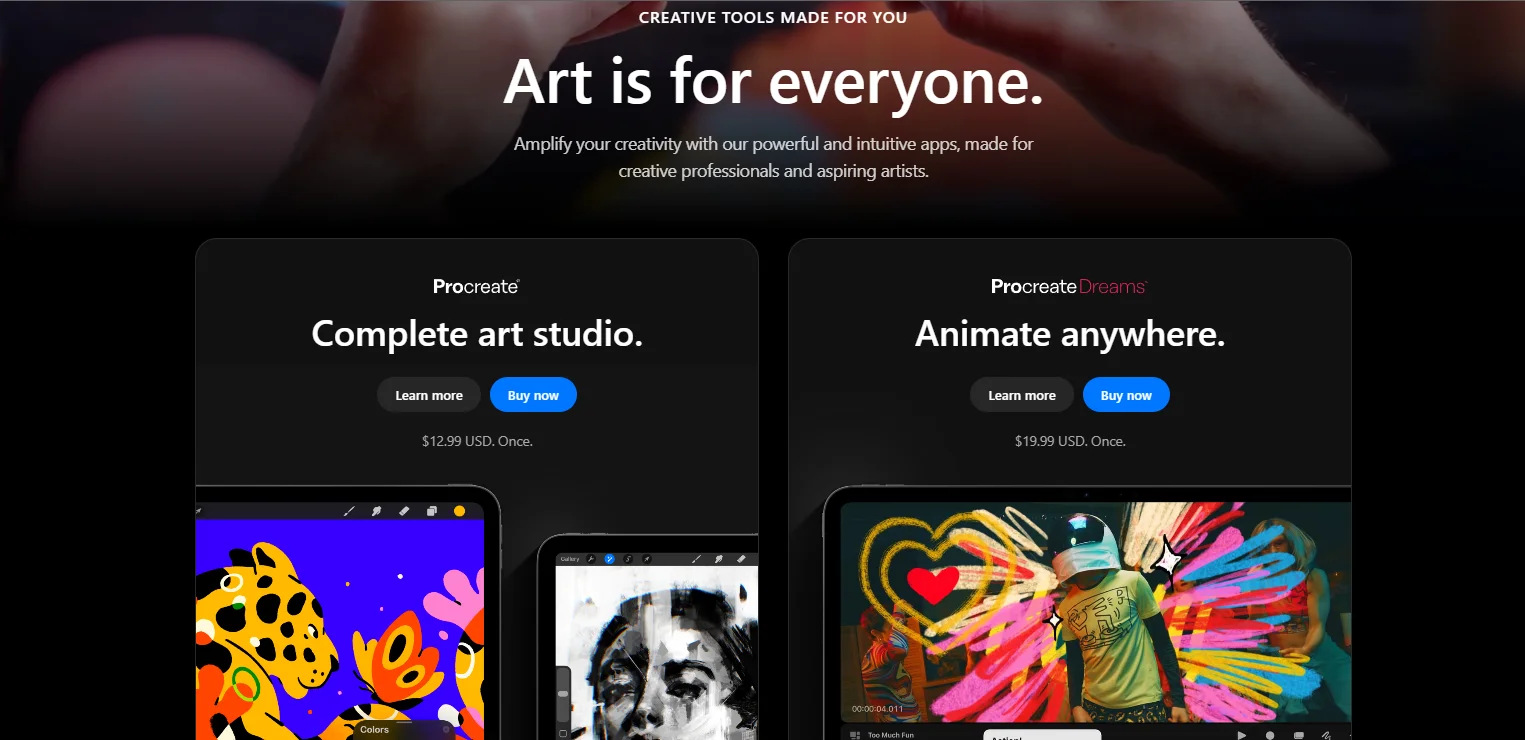
If your goal is to generate income from application softwares, then the in-app purchases model is undoubtedly one of the most successful money-making models so far. A reliable monetization tactic is the freemium model – a mix of a free model with premium features.
What are In-App Purchase Applications?
An In-App Purchase is a transaction made within a mobile app where users pay money to unlock additional features, content, or digital goods. It allows apps to generate revenue beyond the initial download, and the purchase can be:
-
Consumable – Can be used once and repurchased (e.g., coins, lives, energy in games).
-
Non-Consumable – Permanent unlocks (e.g., removing ads, premium filters, extra levels).
-
Subscription-Based – Recurring access to content or features (sometimes considered a type of IAP).
How In-App Purchase Application Model Help You Make Money?
Businesses can take advantage of the freemium approach, whereby users can download the app for free but pay to unlock advanced features, digital goods, or premium experiences. Consider a productivity app that charges an additional fee for users seeking integrations and cloud storage.
What makes this model so effective is the way it blends accessibility with optional value to introduce users to the app’s benefits. Positive feedback would encourage further upgrades through tangible improvements.
You should focus on these features when designing a mobile app business model:
- Provide clear value differentiation between free and paid tiers.
- Integrate smooth payment options like Apple Pay, Stripe, or Google Pay
- Strong retention loops that encourage ongoing engagement.
A tiered model works best in the case of a feature-rich business app, offering different versions like “Basic,” “Pro,” and “Enterprise” plans targeting multiple customer segments.
2. Monetize Mobile App Through Subscriptions
When it comes to mobile app revenue models, subscription app models provide a reliable source of revenue, typically for apps offered on a freemium features and basis. While subscriptions indeed create recurring, predictable income, a share of that revenue goes to the app store hosting your app, like Google Play or Apple.
What is the Subscription Money Making Model When It Comes to Mobile Applications
The Subscription Money-Making Model for mobile applications is a way apps earn revenue by charging users a recurring fee—usually weekly, monthly, or yearly—for access to the app’s content, services, or premium features. Instead of a one-time payment, users pay continuously as long as they want to use the service. This model is particularly appealing to any industry, from fitness, education, media, to art and B2B services. Users can enjoy uninterrupted access to exclusive features or content by paying a monthly or yearly fee.
A well-designed and strategic subscription model not only helps in engaging with your target audience but also delivers greater customer lifetime value (CLV). You can make the most of subscriptions by
- Offering free trials to boost conversion rates.
- Creating multiple subscription tiers, e.g., individual vs. business plans
- Continuously updating content or services to justify renewals.
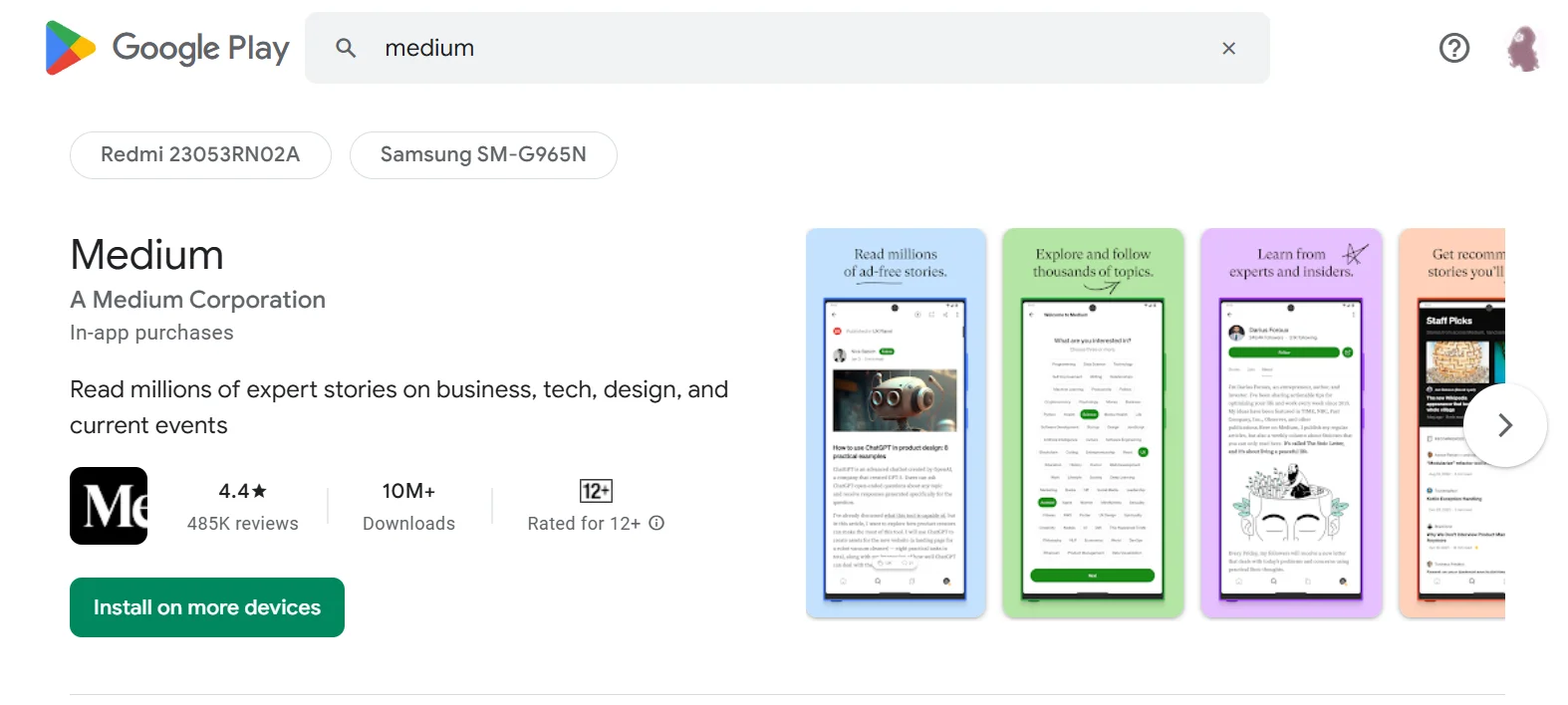
Medium is a good example of a subscription-based app model because it charges users a recurring fee to access premium content. Here’s how it works:
-
Free Tier – Anyone can read a limited number of stories per month for free.
-
Premium Subscription – Users pay a monthly or yearly fee to get:
-
Unlimited access to all stories.
-
Exclusive articles from top writers.
-
Ad-free reading experience.
-
If you’re keen to get a subscription-based application, agencies like Crossway Consulting, specializing in app development services, can ensure a seamless and secure subscription flow while reducing churn.
3. Generate Ad Revenue and Partnerships
One of the most common practices to generate revenue from the application industry, especially for free or high-traffic apps, is through in-app monetization or ads. In-app advertising is a booming market, projected to hit $472.64 billion by 2027, thanks to the rapid growth of networks like Google AdMob, Meta Audience Network, and Unity Ads.
This has opened up multiple avenues for monetization, but an ad strategy must be cohesive or it risks backfiring. The idea is to embed ads thoughtfully so that they are relevant, not intrusive. In-app advertising yields the best results when you
- Use targeted ads aligned with user behavior and preferences.
- Experiment with native ad placements that blend into the interface.
- Explore brand partnerships or affiliate marketing opportunities.
For businesses, embedding ads into apps can be leveraged for co-branded promotions. For example, a travel company can earn a commission for each booking by featuring partner hotels or restaurants on its app.
However, advertising shouldn’t be done at the expense of user experience. It’s more about striking a balance between your advertising ventures and business goals that drove app development in the first place. A thoughtful ad strategy can turn a utility app into a self-funding growth channel.