You’ve built a great application, investing months in refining the trendy UI/UX design & responsiveness and optimising features to ensure a seamless user experience. But still, nothing is working out for your application.
The problem isn’t lying in your crazy app idea or its creation; the reason behind its ineffectiveness is something else.
Most developers and application founders don’t realise that an app doesn’t become successful on its own; it needs a powerful, intentional app marketing strategy to back it.
Report says: over 3.5 million apps exist on Google Play, while the Apple App Store features 2.1 million apps. The market is huge yet saturated!
This means your app faces intense competition for visibility that may block downloads and stop users from coming back to you. Just like your websites do.
Whether it’s your first mobile app you are looking to build or scaling an existing one, the key lies in how you choose to market a mobile app in this competition.
In this guide, we’ll break down everything you need to know about building a high-impact mobile app marketing strategy, backed by proven methods, industry examples, and digital marketing tactics for mobile apps you can use immediately.
What Is an App Marketing Strategy? Let’s Explain Marketing Easily
An app marketing strategy refers to a cohesive plan for promoting your app to your ideal user. No matter if you own a business application or any in-app purchase application. This entails raising awareness about your app, like what its core offerings are, and what makes your app different from others in the app market.
By putting your app right where your audience is, you can convert them into active customers, keep them engaged, and ultimately generate revenue.
Mobile app marketing is not a single tactic — it’s a system. And when it’s built correctly, it becomes your competitive edge.
Why App Marketing Matters in the Upcoming Year 2026?
The reality is that the digital landscape is more crowded than ever. As millions of apps compete for user attention, the average user has an unprecedented range of options before them.
This explains why a successful app marketing strategy hinges on a smarter, data-driven approach.
Upcoming Trends in the Application Business Industry
The trends shaping app marketing right now include:
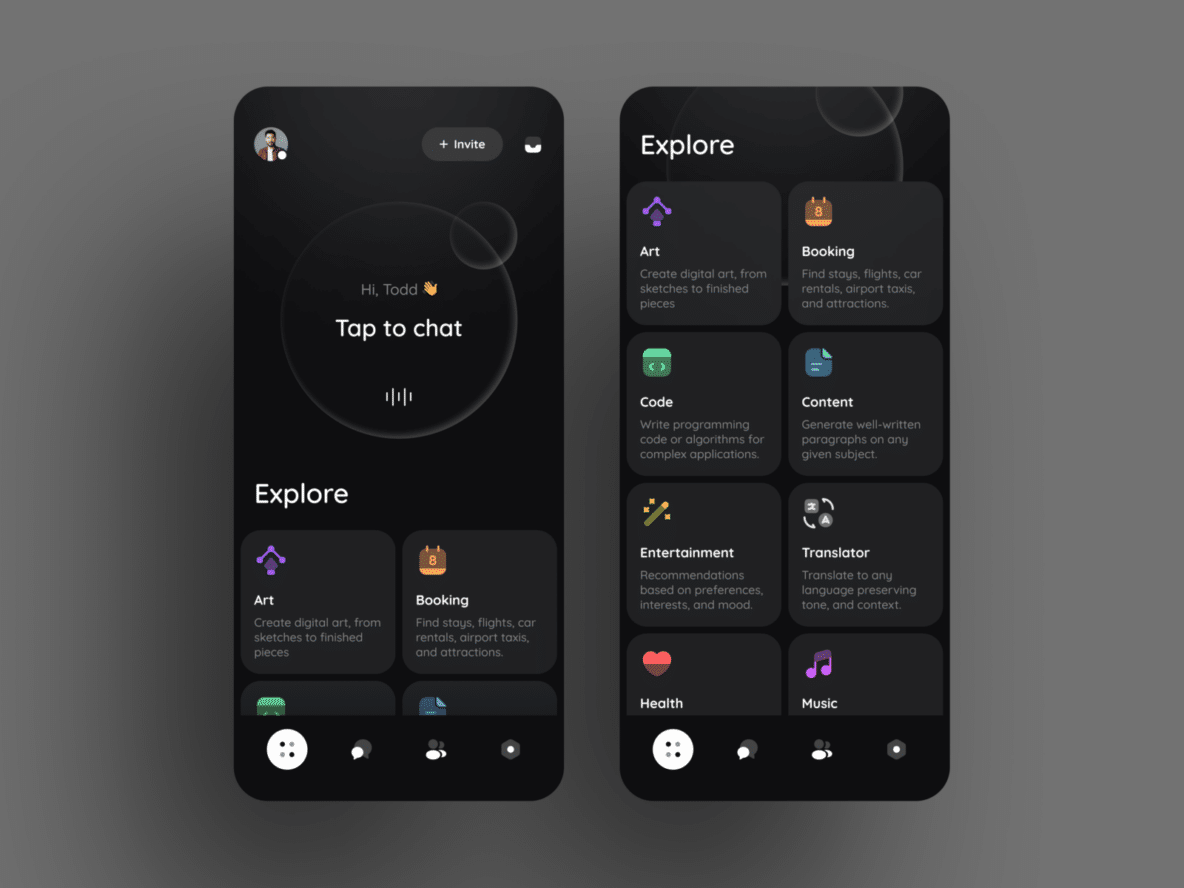
AI-driven Personalization
AI is booming everywhere, and personalisation has become the new norm, for which brands are increasingly harnessing AI features such as predictive user segmentation to automated content recommendations. This allows new brands to deliver hyper-relevant in-app experiences that feel tailor-made for each user. AI-powered personalisation has overtaken generalised messaging due to its advanced ability to retain and convert users.
First-party Data is Taking Over Third-party Tracking
With stricter privacy rules, app marketers can’t rely on third-party trackers the way they used to. So they’re now focusing on collecting their own data directly from users — things like in-app behavior, actions, and preferences users willingly share.
By building their own data systems, apps get more accurate insights into what users do and want. This helps them target audiences more precisely, run better campaigns, and reduce customer acquisition costs without breaking any privacy rules.
Micro-influencers Outperform Traditional Ads
While social media marketing remains where it was and SMM ads are also making their way to AI performance. Influencer marketing is going to be the next trend in the application world.
Niche creators now run in parallel with broader ad campaigns. They zero in on their user bases and flair for authentic storytelling to drive higher engagement and foster brand loyalty. When it comes to specific mobile app categories like gaming, lifestyle, and productivity, micro collaborations are seen to outperform paid search and display ads in both ROI and user quality.

Best Niche: Gaming Apps Dominate in Ad Spend
If you are looking to start your application to make tons of revenue, gaming apps can help you out in 2026, too.
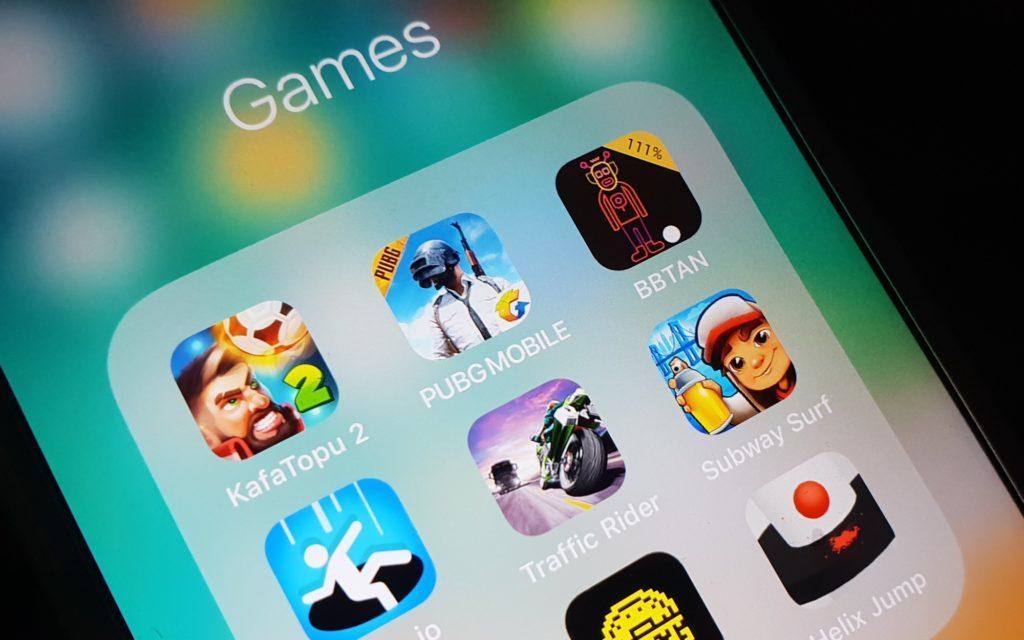
Gaming titles continue to hold sway over global app marketing budgets due to their rapid growth cycles and high revenue potential. Gaming application companies have become trend-setters and examples in the field of application, for broader mobile UA that involves elements like aggressive testing, compelling ad creatives, and faster iteration than other industries. While game app marketing strategies differ somewhat from those of other applications, the advantage is a thriving user base that is highly engaged and loves to play.
Organic Channels are Becoming More Competitive
Organic marketing channels like search visibility, app store optimisation, or social discovery have become more challenging thanks to intense competition and sweeping algorithm changes. Brands can no longer be content with one-time optimisation, but rather employ stronger keyword strategies, high-quality creative assets, and continuous testing if they intend to stand out.
The secret to a winning brand doesn’t lie in spending more but in planning with the future in mind.
Mini Case Study: Duolingo’s humorous push notifications boosted daily active users (DAU) by 4.5x between 2018 and 2022, showing the power of personalised engagement.
)
How to Market an App: The Step-by-Step Strategic Framework to Launch and Market an Application
Successful apps follow a predictable marketing lifecycle. Whether it’s a food app, gaming app, fitness tracker, or business tool, this framework applies to virtually all app categories.
1. Pre-Launch Application: Prepare Your App for the Market
Before you set out to promote your app, you need clarity on the fundamentals. Begin by answering the question Who is your app for? This will, in turn, lead you to figure out key characteristics and demographics of your audience.
A travel mobile app, for example, will cater to a different audience than a meditation or game app.
Next comes positioning your app, which involves thinking about what makes your app unique and why someone should choose it over your competitors. Your app’s messaging should centre on explaining why your app is better at solving problems than others.
You should also work towards building your marketing assets in the early stages, like App screenshots, App preview video, Website or landing page, Social media handles, and Email sign-up.
Get Your Personalized App Pre-Launch Stretegy!
We don’t just build applications—we help you scale them effectively. Contact us to get a personalized pre-launch app marketing strategy tailored to your app and your industry. Our team of expert app marketers has experience across virtually every niche you name, and we can help you create a strategy that maximizes your app’s potential and drives real results.

2. App Store Optimisation Setup (ASO)
No matter how great your pay-per-click services or meta campaign efforts are, your app store listing remains the most important conversion touchpoint. That’s where ASO comes in.
What is ASO? And How Can it Help You Market Your Application?
App Store Optimisation (ASO) is the process of improving your app’s visibility and conversion rate within app stores like Google Play and the Apple App Store. Think of it as SEO for apps—it ensures your app appears in relevant searches and convinces users to download it.
Even if your pay-per-click ads or social media campaigns are top-notch, your app store listing is the most critical touchpoint for app conversion. This is where ASO comes in to make a significant impact on your app’s success.
Fundamentals of ASO:
- Keyword Strategy for Your Application
- High-Impact Visuals To Attract Store Audience
- Ratings & Reviews for Credibility
- A/B Test Metadata
Good Example of ASO
- Clean, consistent visuals and a recognizable brand icon help it stand out and build user trust.
- High rating (4.7★) and a large number of reviews act as strong social proof and boost conversion.
- The title “Notion: notes, tasks, AI” is keyword-rich (notes, tasks, AI), which increases visibility for multiple search intents.
- The short description clearly communicates the core value (“Write notes, plan project)

Bad Example of ASO
- The screenshots use generic gradients and inconsistent style elements, which suggests weak visual branding and a less professional look than competitors.
- The visuals heavily rely on technical features(e.g., “35MB/S,” “One Tap Easy Transfer”) without demonstrating their benefits for users.
- The description and visuals don’t highlight unique selling points or reasons to choose it over high-rated alternatives.

Advanced App Store Marketing Strategy
ASO is just one component of marketing your app on the App Store. An all-round app store marketing strategy includes everything you do to improve visibility, conversions, and long-term rankings. Some key components of a strong app store marketing strategy:
Localised Listings of Your Application
Adopting a localized approach is not just limited to translating app content into multiple languages, like Spanish, Turkish, French, Arabic, and Hindi. It is a means to turn your app into a global product and captivate the interest of a diverse audience. The statistics support this, as localizing your app has been found to bring higher visibility in top markets and increase downloads by up to 38%.
Custom Store Pages (Google Play & iOS)
Marketing comes into play even before your app goes for launch. Creating a pre-launch landing app can stimulate the initial buzz about your app while giving you insight into whether there exists a demand for it. This creates anticipation by offering a sneak peek into your app’s standout features to set the stage for what is to come.
Create landing-page-style app store screens for:
- Game players
- Fitness users
- Travelers
- Productivity audiences
App Store Ads
App advertising can play a pivotal role in user acquisition. It’s a way to connect with high-intent users at a lower CPA than running paid advertisements on social media or Google. The strategy focuses on users who are actively searching for solutions, services, or entertainment that your app provides. Unlike social media ads that interrupt a user’s feed, App Store Ads fulfil an immediate, active need.
Apple Search Ads for iOS or Play Store Ads for Android appear within the Apple App Store or Google Play Store when a user searches using relevant keywords, e.g., searching for “budget tracker” or “puzzle games”.
Seasonal Optimization
Seasonal Optimisation is the strategic practice of temporarily updating your App Store listing (creatives, text, and keywords) to align with relevant major holidays, seasons, or cultural events throughout the year.
A user searching for a travel planner in June is more likely to be drawn to an app with a tropical banner and a description mentioning “summer vacation itineraries” than an app featuring a Christmas theme.
Apart from gaining visual relevance, regularly updating your listing is in line with the App Store’s emphasis on freshness and continuous development. Whether it’s just a screenshot or a brief promotional text, regular updates convey a freshness signal to the store’ algorithm that, in turn, contributes to improved search rankings for related seasonal keywords.
Are You looking for application ads services?
Stop wasting time waiting for your app to grow on its own. We specialize in personalized app marketing strategies designed to maximize your downloads and revenue. With an extensive portfolio of app clients across every niche, our expert team crafts strategies as unique as your app, ensuring you get the results you deserve. Your first consultation is free—get us on board and start scaling your app today!
How We Helped Our Client With Their App Store Marketing?
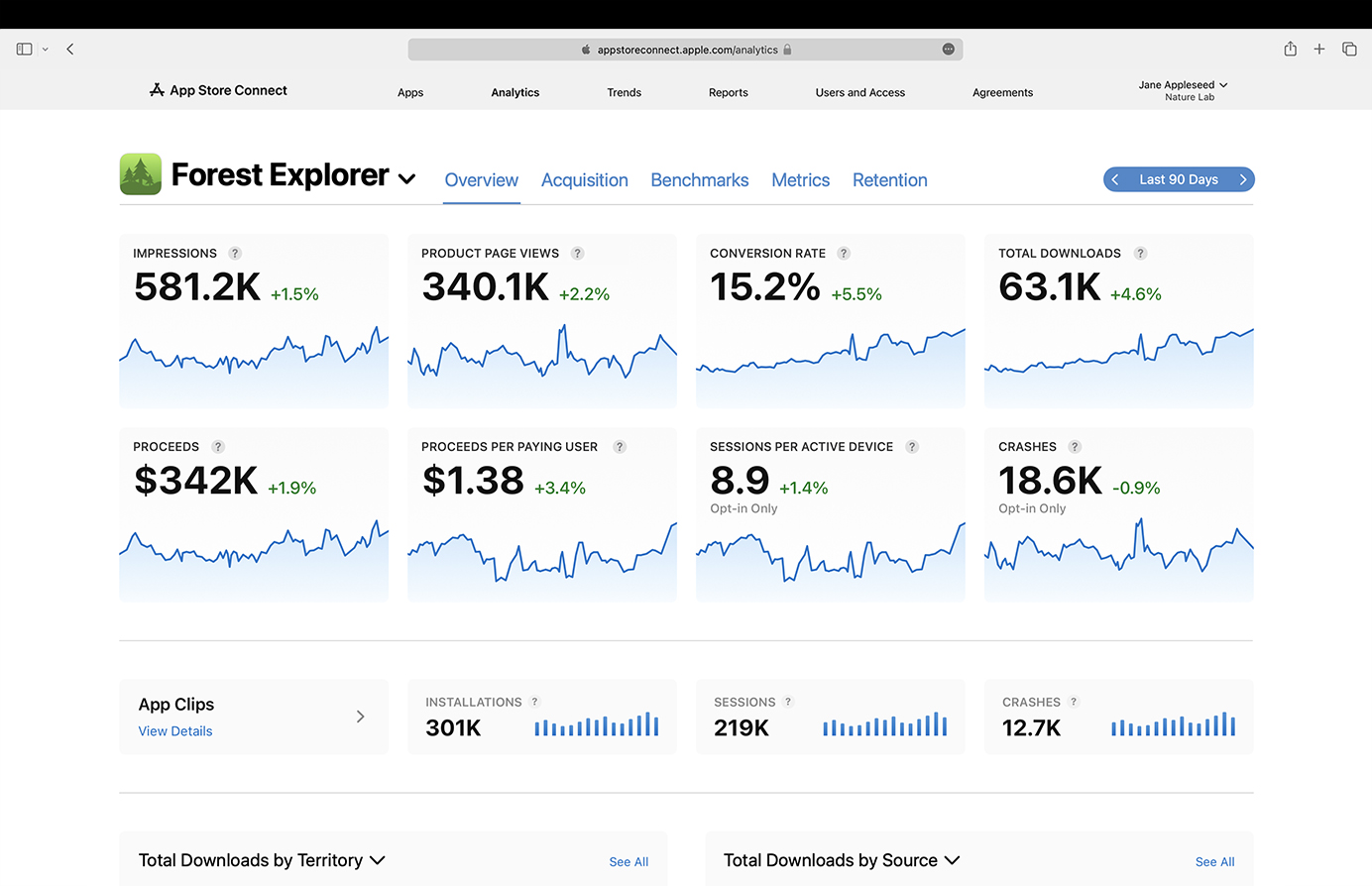
One of our application-based clients faced confusion and challenges while setting up their app in the Google Play Store. QuickBrew Coffee is a mobile app that allows users to order from local coffee shops and earn loyalty rewards. Despite running ads on social media and search campaigns, the app struggled to gain traction. Most users visited the app store page but never downloaded the app, leaving the client frustrated. They reached out for a full ASO setup to improve visibility, credibility, and conversions.
Identifying the App’s Issues
Before touching the app store, we conducted user interviews and competitor research. We asked:
-
Who is the typical QuickBrew user?
-
What problems do they face with other coffee apps?
-
What phrases do they type when looking for coffee apps?
We discovered that users wanted fast ordering, rewards, and local options. These insights guided every change we made.
That’s why QA is important and should be encouraged before working on your application.
How We Helped With Our ASO App Marketing Services
Rewriting the App Store Listing
We identified high-intent keywords like for algorithms to pick our app. And optimized the app title and descriptions to naturally include these keywords.
Designed Visuals That Sell
Redesigned the app features and screenshots to reflect the coffee theme with its brand intent. We also created a short promo video highlighting the app’s core. Focused on visuals that communicate value instantly to users.
Ratings, Reviews & Credibility
Implemented prompts for satisfied users to leave reviews. Responded to existing reviews to show active engagement. Improving overall rating and trustworthiness was more important than anything else.
Pre-Launch & Custom Store Pages
Created pre-launch landing pages highlighting key features. Generated an early buzz campaign and a waitlist of interested users. Allowed users to preview the app and its benefits before launch.
App Store Advertisement
Ran Google Play Ads targeting relevant searches for instant downloads. Focused on users actively looking for coffee apps to lower CPA. Achieved immediate downloads from high-intent audiences.
Seasonal Optimization
Updated creatives and descriptions for seasonal campaigns like Thanksgiving. Aligned ads with holidays and cultural events. This helped us boost our visibility and relevance in app store searches, inclined with emotional marketing.
3. Focusing on User Acquisition with Digital Marketing
Organic App Marketing Strategy
Once you have an optimised page, it is now time to make your app presence visible enough to bring users and stimulate downloads. The most effective digital marketing strategy for a mobile app should combine traditional organic channels with paid channels to maximise impact.
Leverage the following platforms and channels.
- SEO and Content marketing
- Social media
- YouTube tutorials
- LinkedIn organic reach
- Community posting
- Influencer shoutouts
- Guest blogging
Paid Advertising Channels
If you are a startup or launching your first app, paid social advertising can give you access to an audience interested in app products at a low CPA. You may invest in Meta (Facebook/Instagram), Google App Campaigns, TikTok Ads, or Snapchat Ads to get users to know about your app. Apple Search Ads and Reddit Ads (great for niche apps) are other great options to convey messaging about your brand to prospective users.
4. Cross-Promotion App Strategy
If you already have a functional app, cross-promotion can be a clever marketing strategy to acquire users by using one app to promote the other. If your company develops a fitness tracking app, you can use it to promote your healthy meal planning app. Users who are already motivated to track their workouts and burn calories are naturally interested in nutrition and healthy eating to support their fitness goals.
5. User Engagement & Retention Marketing Tactic
The whole point is to encourage your newfound user to continue engaging with the app rather than relegating it to an untouched home screen icon. There are various tools at your disposal to get users to use your app, like a welcome message right after the initial install, push notifications, and in-app messages.
Push Notification Tactic
While a barrage of notifications can be stressful, well-timed and personalized push notifications can be extremely effective. They can be used to grab attention through a tempting offer like a limited-time sale or a special in-game event. The more your app conveys a personalized experience, the more relevant you will seem to a newcomer. An apt example would be that of the Starbucks App that personalises offers based on purchase history (e.g., “Your usual order is 50% off today”), along with Time-sensitive, limited offers.
Turning Sign-Ups into First Purchases Tactic
Another useful tactic is to impel users to register using their phone number or email address. This will greatly assist you in leveraging cross-channel marketing to engage with users through multiple avenues.
You might choose to convert at this very point. For instance, if you offer food delivery service, you can offer a $10 credit that expires within the next 48 hours. This would incentivise users to make their first order right away and eventually establish the habit of using your platform for dinner.
Conclusion: Your App Deserves a Strategy That Wins
Marketing an app can no longer be treated as an option. You may claim to have an app with all the must-have features, but it’s totally vain unless you put the word out right before your target audience. In-app marketing is a strategic necessity for app owners who want to stand out in a crowded app marketplace and make an impact. This can be highly rewarding in the long term by increasing visibility and brand awareness, hence maximising your app’s success.
Whether you’re building a new mobile app, scaling an existing one, or preparing for a major launch, the right app store marketing strategy will enable you to acquire and engage users for a totally winning app.
Ready to Launch Your App Marketing Strategy? Schedule a free strategy consultation to identify your biggest growth barriers and create an actionable plan to overcome them.