An algorithm is a well-defined, step-by-step procedure designed to solve a problem or perform a specific task. It is the backbone of modern technology, enabling processes across computer programming, data analytics, cybersecurity, and much more. In essence, an algorithm is a recipe: it provides instructions for achieving a particular outcome, ensuring precision and efficiency.
Algorithm Definition
The formal definition of an algorithm is a finite set of instructions that take an input, process it, and produce an output. These instructions must be unambiguous, logical, and structured to ensure that they achieve the desired result consistently.
What Does Algorithm Mean in Technology?
In the context of technology, algorithms are essential tools used to process data, make decisions, and automate tasks. They are the foundation for complex systems, such as:
- Google’s Search Algorithm: Determines which websites appear in search results and in what order.
- Machine Learning Algorithms: Train AI models to recognize patterns and make data-driven predictions.
- Network Security Protocols: Secure data through encryption and authentication processes.
Importance of Algorithms in Modern Systems
Algorithms are indispensable in the digital age, driving advancements in fields such as:
- Cloud Computing Solutions: Efficiently allocate resources and manage workloads.
- Infrastructure Management: Optimize system performance across servers and networks.
- Data Analytics Tools: Extract insights from large datasets for informed decision-making.
- Cybersecurity Services: Implement robust encryption methods to safeguard sensitive information.
Applications of Algorithms
1. Search Engine Optimization (SEO)
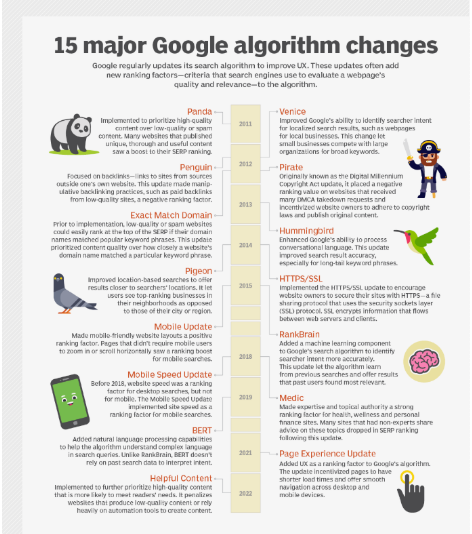
Google’s algorithm ranks websites by evaluating factors such as relevance, authority, and user experience. Updates like Google’s core algorithm changes can significantly impact a website’s visibility and traffic.
2. Artificial Intelligence (AI)
Algorithms enable AI systems to learn from data, make predictions, and automate tasks. Examples include image recognition, natural language processing, and predictive analytics.
3. E-Commerce Recommendations
Algorithms analyze user behavior to provide personalized product recommendations, enhancing the shopping experience.
4. Business Continuity Planning
Algorithms assist in simulating disaster scenarios and designing recovery strategies to ensure uninterrupted operations.
5. Software Development
From sorting data to optimizing performance, algorithms are integral to creating efficient software solutions.
Examples of Popular Algorithms
- Sorting Algorithms: Arrange data systematically (e.g., bubble sort, merge sort).
- Pathfinding Algorithms: Used in navigation systems (e.g., Dijkstra’s algorithm for shortest paths).
- Encryption Algorithms: Secure communications (e.g., RSA, AES).
- Machine Learning Algorithms: Train AI models (e.g., neural networks, decision trees).
- Network Security Algorithms: Protect against cyber threats (e.g., hash functions, SSL/TLS protocols).
FAQs About Algorithms
Q1: What is an Algorithm in Simple Terms?
An algorithm is like a recipe. It’s a set of instructions designed to perform a task or solve a problem, ensuring a consistent and reliable result.
Q2: How Do Algorithms Work?
Algorithms take an input (e.g., data), process it step-by-step, and produce an output (e.g., a solution, prediction, or result).
Q3: What Are Algorithms Used For?
Algorithms have countless applications, including:
- Digital Transformation: Automating workflows and improving efficiency.
- Cloud Migration: Managing seamless transitions to cloud environments.
- IT Optimization: Enhancing system performance and reducing costs.
Q4: What is the Difference Between an Algorithm and a Program?
An algorithm is the logical framework for solving a problem, while a program is the coded implementation of that algorithm.
Q5: Why Are Algorithms Important in Cybersecurity?
Algorithms are crucial for encrypting data, authenticating users, and preventing cyber threats by identifying anomalies in network traffic.