We live in a digital-first world where apps are literally everywhere. They have become the primary means for a wide range of tasks like communicating, shopping, learning, working, and much more. The secret to a great-performing app lies in an effective development process that utilizes cutting-edge technologies and a range of tools to transform an idea into a fully functional app. No wonder app development has become a highly popular field, as companies relentlessly compete to develop top-notch applications that build their online presence.
However, creating a successful app goes far beyond just writing code. It requires a deep understanding of user needs, seamless UI/UX design, robust backend architecture, and continuous testing to ensure stability and performance. From concept to deployment, every stage plays a crucial role in shaping the final product.
But what exactly is app development? What are the fundamental steps that bring an app idea to life? What is the roadmap to get the idea of app development? Ugh! Sounds frustrating to gather all this info in one place.
Don’t worry, this blog has got you! This comprehensive guide to application development for beginners explores everything you need to know about your journey as an application developer. It covers all the basics. From understanding the app development steps and process to discovering the career paths, stages, and technologies shaping this fast-evolving field.
What Is Application Development? Understand the Mobile Application World
Application development or mobile application development refers to the process of planning, designing, building, and deploying software programs for multiple devices, like mobile devices, desktops, or web platforms (mostly for mobiles).
It’s a technical job that requires the expertise of a team of app developers, especially when businesses require end to end application development that covers everything from ideation to deployment. Developers utilise various programming languages like HTML, CSS, and JavaScript to build responsive applications and their designs that resolve their users’ problems. In simpler terms, app development transforms a concept or idea into a functional digital experience — whether it’s a tiny mobile app for your cute salon business, or a giant software for a custom enterprise solution.
Application development generally follows a standard methodology (like RAD, Rapid Application Development methodology) or an app development process lifecycle involving a series of steps aimed at performing a specific business operation. The process usually relies on the use of application software to complete the various stages of the app development lifecycle as quickly and at the lowest cost possible.
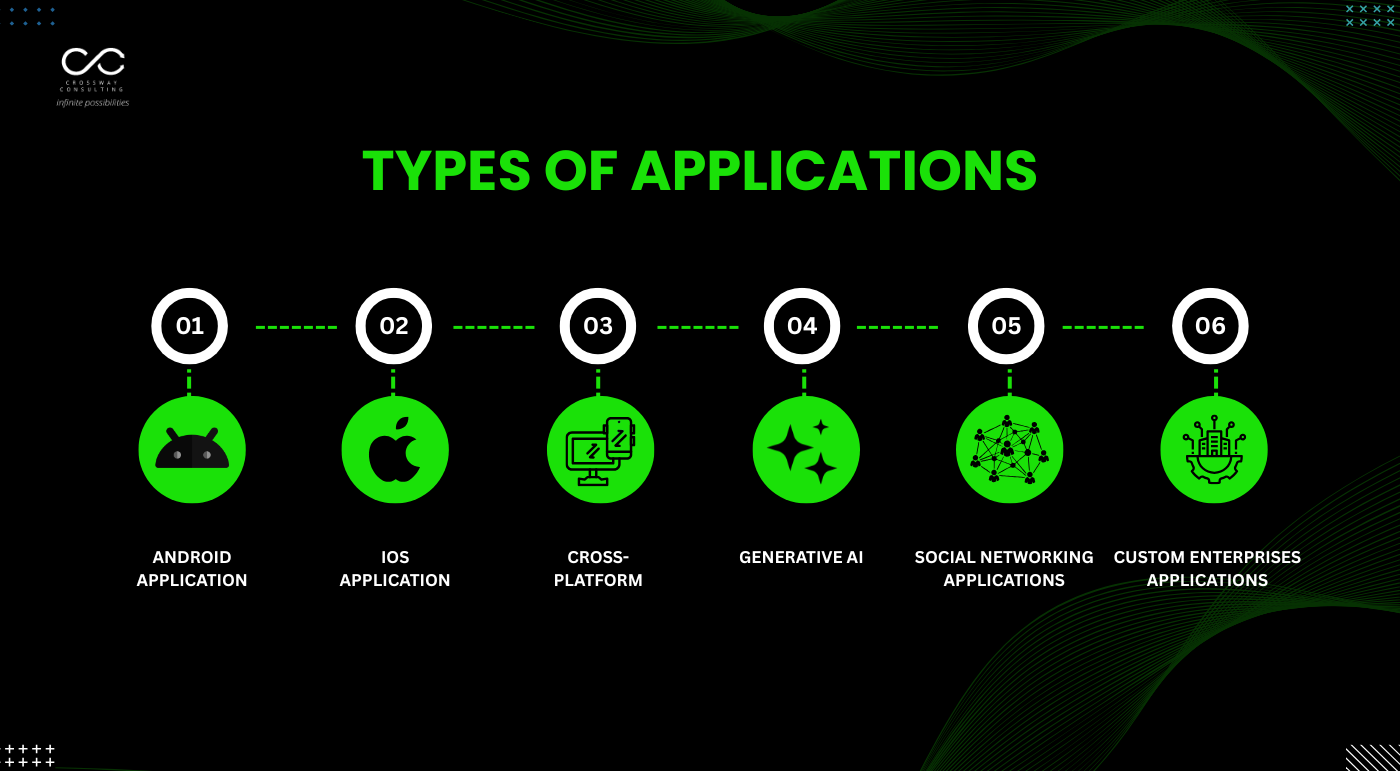
Types of Applications – How Many Types of Applications Are There?
1. Web Applications
This type of development creates web-based applications that operate similarly to websites except in mobile app form. Unlike native applications that are downloaded on a device’s platform, web applications are hosted online and can be accessed via a browser.
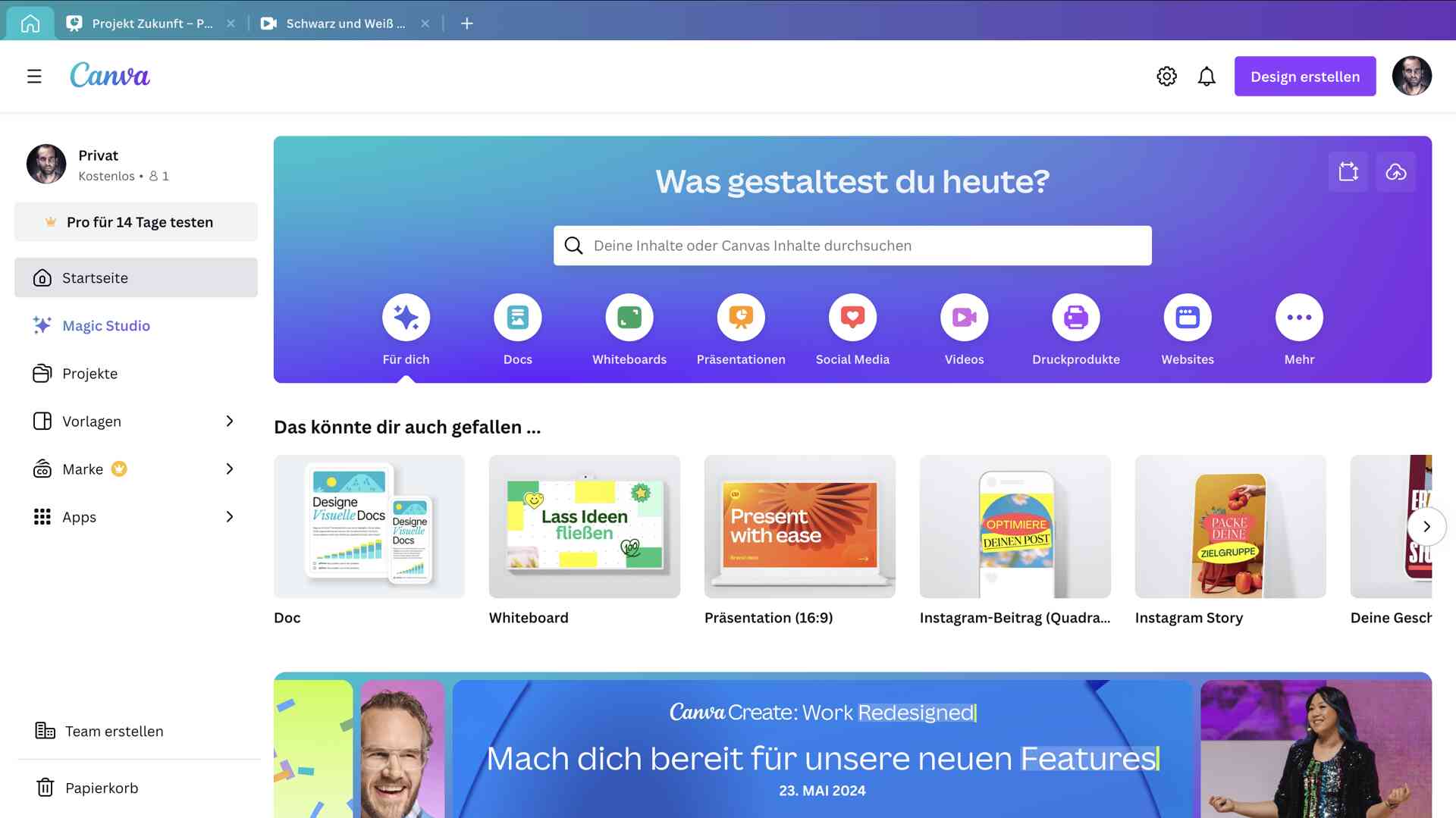
3. Mobile Device Applications
Mobile applications are specifically designed to run on mobile platforms or a mobile operating system. There are different types of mobile applications based on the specifications and limitations of the platform for which they are made.
| App Type | Technology | Pros | Cons | Best For |
| Native | Swift (iOS), Kotlin (Android) | Best performance, full platform access | Separate codebases, higher cost | Gaming, AR apps, complex UI |
| Hybrid | React Native, Flutter | Single codebase, faster development | Slightly lower performance | MVPs, business apps |
| Web Apps | PWAs (Progressive Web Apps) | No app store needed, works everywhere | Limited device features | Content-driven apps |
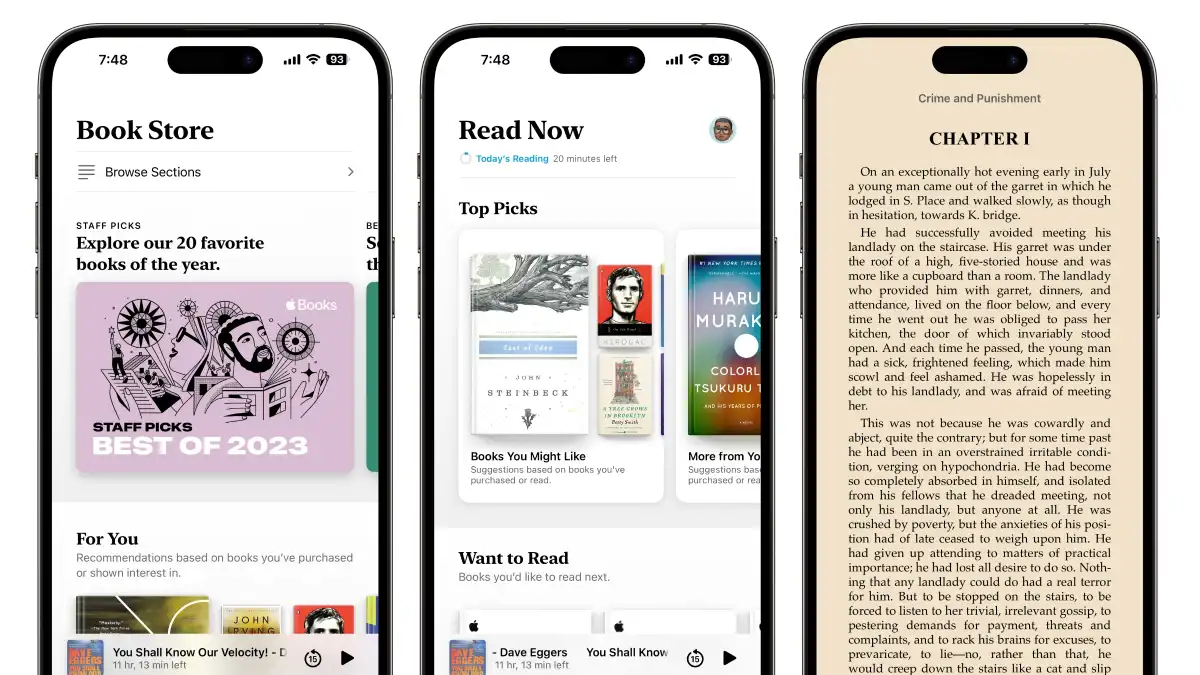
4. Database Application Software
A database application is developed with the primary purpose of storing and retrieving information. It makes it simpler to manage data from multiple sources and launch business-specific workflows while giving authorized access to data to those who have the app. One thing that is prominent about database application softwares is that most databases are invisible to users. MySQL, PostgreSQL, MongoDB, Oracle—they power apps, but nobody sees them directly as a usual mobile app or web app.

5. Custom Application Software
Building on the concept of enterprise solutions, custom application development takes personalization even further. What is custom application development? Custom application development involves creating tailor-made apps to meet specific business needs, rather than using off-the-shelf solutions. For instance, a logistics company might need an app for real-time vehicle tracking, while a healthcare provider might require secure patient management software. A custom app not only offers personalized features but is easily scalable and facilitates integration with existing systems. Companies providing mobile app development services usually specialize in custom application development, where they handle the entire process from concept to launch and maintenance.
What Are The Main Steps or Processes in Application Development?
App development is a complex process that goes through a series of steps if it is to yield desired results. In many cases, businesses rely on end to end application development to ensure every stage—from planning to deployment—is handled seamlessly by one team.
Planning and Brainstorming App Ideas
App development begins by identifying the purpose for which the app is built, the target audience, and its core functionalities to ensure it effectively meets users’ expectations and needs. The designers map out the technical requirements for the app while business teams assess the market situation and demand for a given app.
Developing a Prototype
The developers move on to give shape to their creative vision by sketching wireframes for how the future app will look and function. With the help of modern tools like Figma or Adobe XD, designers can create interactive prototypes before proper coding begins. At this stage, feedback from potential users and business leaders is incorporated to improve the app through iterations, producing a solid prototype with a clearly mapped-out user flow.
Designing the App Interface UX/UI
Once the prototype is ready, the next step is to design the app’s interface to visualize how users can interact with the app and its features. App UI design outlines the visual elements of a digital product, like color, typography, and layout, while UX focuses on making the app experience user-friendly and engaging.
Coding or Application Development
Based on the identified project requirements, developers deploy the app development technology stack to transform the design into a functioning app. They typically follow agile or scrum methods, where they work in shorter sprints to accelerate iterations.
A low-code app development platform can be used to create custom applications and programs as they are written in a specific coding language. Code development typically has two components: front-end development, which includes the UX/UI features, and back-end development that focuses on the server-side of web and mobile applications. Developers can also integrate additional features such as authentication, payment systems, push notifications, etc.
Testing and Optimizing the App
Before the app is launched, it goes through an experimental phase to verify its usability and functions. QA engineers use tools like Appium or TestComplete to reveal any issues in the app’s performance and security, like bugs. So that the final version of the app works flawlessly in real-life scenarios.
Deployment and Maintenance of Application
Once testing is done, the app is all set to be launched on the preferred platforms. The developers implement multiple quality checks before actively deploying the app. The app needs to be regularly monitored to drive continuous app enhancements so that the app stays competitive and relevant for modern users.
Marketing Your Personal Applications
The final step in the application development process is to prepare the app for store listings like App Store & Google Play. Eventually, marketing the application is not part of application creation itself, though it is the whole purpose to code the application or to hire the application development team. The marketing team then adopts different marketing tactics, like running ads, social media campaigns, or influencer promotions to introduce the app to the end user, while the app can be monetized in different ways, like ads, in-app purchases, or subscription models. Finally, analytics are set up for the app using tools like Firebase or Mixpanel to track its real-world performance and derive insights to further refine it.

Types of App Developers – Whom to Hire?
Mobile App Developers
Mobile app developers specialize in building applications for smartphones and tablets, focusing on either iOS, Android or both. They work with operating-system-specific languages such as Swift for iOS and Kotlin for Android to create smooth, optimized, and user-friendly mobile experiences. Their role involves developing the user interface, integrating APIs, and ensuring the app performs efficiently across different screen sizes and device capabilities.
Full-stack Application Developers
Let’s get down to answering: What is full-stack application development? Full-stack developers are similar to app developers, but are well-versed in the end-to-end application software development process, including both the front-end and back-end development. They develop the front end of an application- the visual interface with which users interact directly using foundational languages like HTML, CSS, and JavaScript to ensure a responsive and visually appealing design.
Web App Developers
Web app developers create applications that run directly in a web browser, making them accessible across devices without installation. They work on both the visual components and the behind-the-scenes logic, using HTML, CSS, and JavaScript frameworks to build the front end, while relying on server-side languages like Python, PHP, or Node.js for the back end. Their goal is to ensure seamless interaction, strong performance, and secure data handling between users and the server.
Desktop App Developers
Mostly development students and business owners mistake desktop application development for web app development, but the desktop development field is entirely different than any other development services. Desktop app developers mainly focus on designing and building software that runs on computers, not browsers. They usually use languages like C#, C++, Java, or Swift to create powerful applications tailored for productivity, creativity, or system-level tasks. Their responsibilities include designing intuitive interfaces, optimizing performance for desktop hardware, and ensuring compatibility across various OS versions.
Game App Developers
While gaming apps are usual application softwares like any other but they differ in their creation and development. Game app developers build interactive gaming experiences for mobile, PC, or console platforms. Game app developers usually use engines like Unity or Unreal to combine design, storytelling, and programming into a cohesive product. These developers handle everything from physics and animations to graphics rendering, ensuring the final game is immersive, functional, and visually engaging.
Enterprise App Developers
Enterprise app developers create large-scale applications designed to support internal business operations and workflows. Using robust languages and platforms such as Java, .NET, Salesforce, or SAP, they build secure systems capable of handling massive data, complex processes, and multiple user roles. Their work ensures organizations run efficiently with reliable, scalable software solutions.
Blockchain App Developers
Blockchain app developers focus on building decentralized applications, smart contracts, and secure digital transaction systems. They work with blockchain-specific languages like Solidity or Rust to develop apps that run on distributed networks without centralized control. Their role includes ensuring high security, transparency, and reliability, especially in finance, crypto, and Web3 environments.
Tools You Can Use To Become A Developer
There are different platforms for app development, each of which comes with its own set of tools and applicable framework:
- If you are targeting an iOS application development journey, Xcode and Swift are the go-to tools.
- For Android application development, it’s ideal to start with Android Studio.
- For cross-platform app development, you should learn about Frameworks like React Native, Flutter, and Xamarin.
- For web app development, you need to learn about front-end tools like HTML, CSS, and JavaScript, whereas for backend, relevant frameworks include Node.js, Python, and Ruby.
Alongside these, you need to become proficient in version control (Git) and project management tools (Jira or Trello) to maintain professional workflows.
Common Pitfalls in App Development
Here are some common beginner mistakes and how to avoid them:
- Hardcoding API keys in your code
Use environment variables: process.env.API_KEY
- Not handling loading states
Always show loading indicators during data fetch
- Ignoring error handling
Use try-catch blocks and display user-friendly error messages
- Building for one screen size only
Use responsive design, like CSS media queries or flex/grid
Conclusion: App Development Is the Engine of Digital Innovation
The application development process is a multi-step process that requires a combination of creativity, logic, and technical mastery to be successful.
Whether you’re exploring what application development is or understanding the core app development principles. Application development has become imperative for any business that wants to advance its marketing and retain customers in a competitive business environment.
Need professional help with upcoming application development projects? Schedule a free project consultation to discover how our best app development services can help you cut costs and save time.
If you want to explore the complete app development roadmap, costs, and latest trends for 2026, be sure to read our App Development: The Complete Guide 2026.