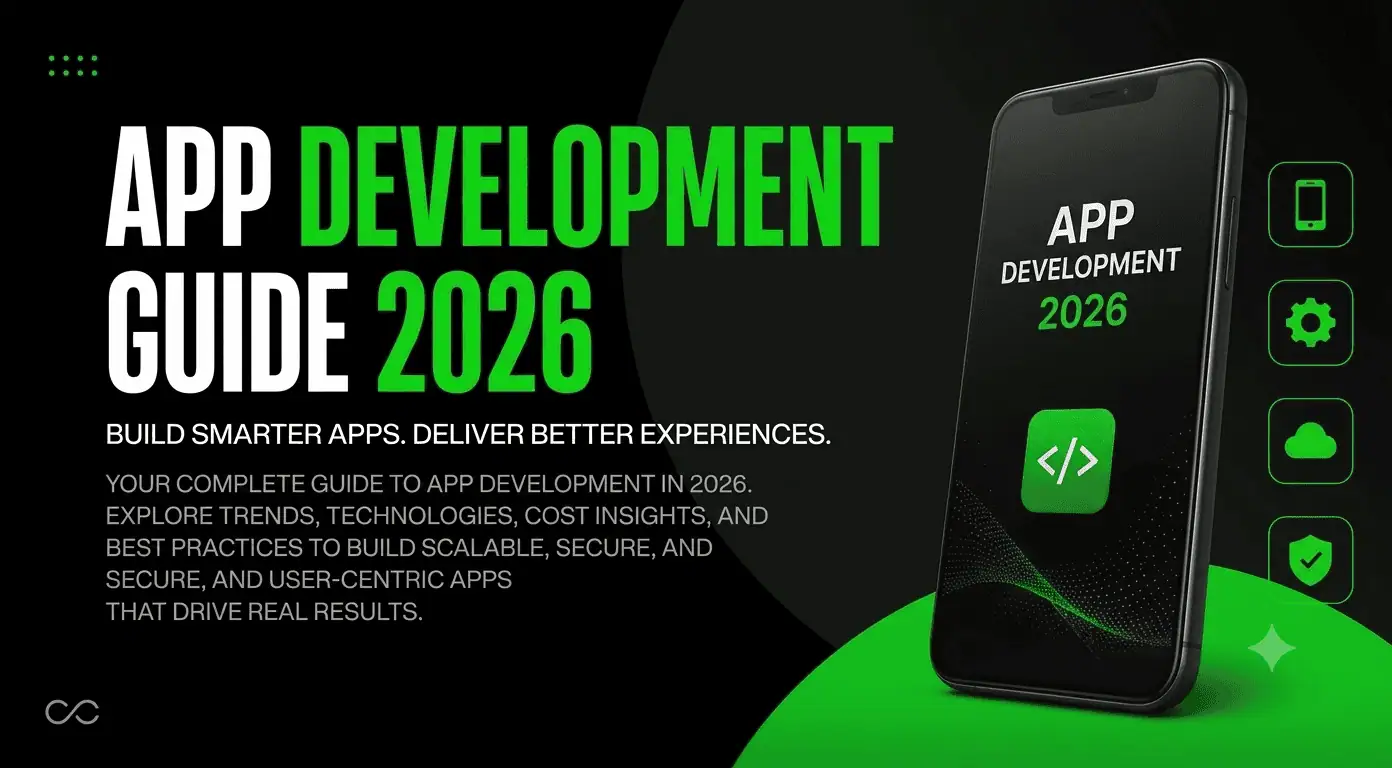
In 2025, the app development landscape is advancing rapidly, shaped by emerging technologies and growing user expectations. Whether you’re investing in cloud app development, seeking cross-platform mobile app development services, or targeting enterprise solutions, choosing the right framework remains essential to long-term success.
At Crossway Consulting, we specialize in building high-performance mobile and web applications tailored to diverse business needs. Our expert developers leverage top frameworks to ensure speed, scalability, and a seamless user experience.
Why Framework Selection Matters
The right development framework not only shortens your time-to-market but also strengthens app stability and performance. Moreover, it allows your team to maintain and scale the app easily—no matter the platform or complexity. Below, we explore ten proven frameworks that help us deliver impactful, efficient app development projects for clients across industries.
1. Flutter
Backed by Google, Flutter continues to dominate the cross-platform app development space. It enables developers to write one codebase for both iOS and Android. In addition, Flutter’s widget-based architecture delivers near-native performance and stunning UI designs—ideal for startups and enterprise applications alike.
2. React Native
React Native, supported by Meta, remains a favorite for fast and responsive mobile app development. With the ability to share up to 80% of code across platforms, it’s a smart choice for MVPs and cost-effective builds. Furthermore, its large community ensures fast issue resolution and plugin support.
3. Swift
For iOS-specific applications, Swift continues to lead. Known for speed and safety, Swift integrates deeply into Apple’s ecosystem, making it perfect for businesses targeting iPhone and iPad users. Therefore, it’s a go-to for custom iOS solutions that require high performance.
4. Kotlin
As Google’s preferred language for Android, Kotlin offers concise syntax, safety, and full compatibility with Java. This modern language supports high-quality Android app development, especially for legacy system upgrades or performance-driven apps.
5. Xamarin
Built on the .NET framework, Xamarin allows for shared code across Android and iOS. It’s particularly effective in enterprise scenarios where consistent performance and reduced development time are critical. In many cases, Xamarin provides up to 90% code reusability.
6. Ionic
Ionic uses familiar web technologies—HTML, CSS, and JavaScript—to build hybrid mobile apps. It’s a solid choice when clients seek quick turnaround and budget-friendly app development services. Also, its integration with popular tools like Angular enhances flexibility.
7. Node.js
Though not a mobile UI framework, Node.js is indispensable for building real-time, scalable backend infrastructures. It’s widely used in cloud app development and event-driven applications that demand speed and responsiveness.
8. Angular
Angular’s structured architecture makes it ideal for large-scale, dynamic applications. Whether used in mobile or web environments, Angular ensures component reusability and strong security. Additionally, it’s backed by Google and regularly updated.
9. Vue.js
Vue is known for its simplicity and reactive design. It’s lightweight yet powerful, often used in modern frontends of mobile apps. Businesses that want a fast, maintainable UI often choose Vue for its ease of integration and flexibility.
10. Laravel
Laravel remains a reliable backend PHP framework that pairs well with mobile frontends. Its robust routing system, security features, and elegant syntax make it suitable for fintech apps, e-commerce platforms, and admin panels.
Trusted App Development Solutions That Work
Framework choice affects far more than just code—it impacts hiring decisions, costs, timelines, and app performance. Whether you’re hiring app developers in Dallas or working with an offshore team, using the right tools ensures everyone is aligned. Additionally, frameworks help determine how easily your app can be scaled, updated, or integrated with third-party services.
At Crossway Consulting, we tailor solutions using hybrid and native technologies based on what your business truly needs. From ideation to deployment, we walk with you every step of the way.
Final Thoughts
Successful app development in 2025 demands more than just coding skills—it requires deep knowledge of frameworks, platforms, and performance strategies. Whether you’re planning a startup app or scaling an enterprise platform, our team is equipped with the tools and expertise to build, optimize, and launch your vision.