As the digital marketing landscape evolves, PPC (Pay-Per-Click) advertising remains a cornerstone for driving traffic, boosting sales, and enhancing brand visibility. In 2025, the strategies and tools for managing PPC campaigns are more advanced and data-driven than ever, ensuring businesses can effectively reach their target audience and achieve measurable results.
Here’s how Crossway Consulting Agency recommends optimizing PPC campaigns for success in 2025.
1. The Power of PPC Advertising in 2025
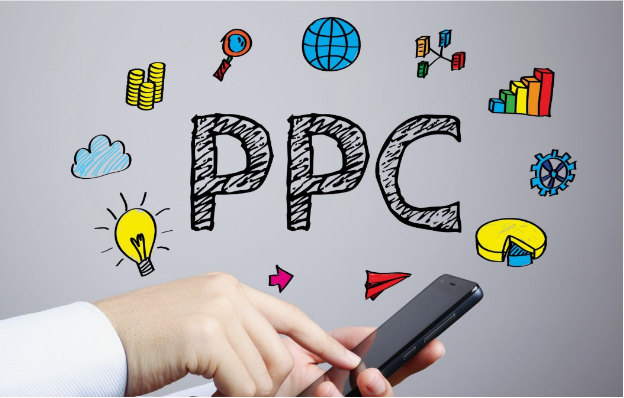
PPC advertising involves placing paid ads on platforms like Google, Bing, and social media channels, allowing businesses to target specific keywords and demographics. This ensures immediate visibility and real-time engagement.
Key Benefits of PPC Advertising
- Precise Targeting: Advanced audience segmentation for specific demographics and interests.
- Cost Efficiency: Pay only for actual clicks, ensuring better budget management.
- Real-Time Performance: Instant insights into campaign effectiveness for rapid optimization.
2. Emerging PPC Trends for 2025
AI-Powered Optimization
AI continues to transform PPC with tools that predict trends, optimize bids, and generate more effective ad copy. Automated campaign adjustments based on real-time data ensure better results.
Interactive Ads
Interactive formats like polls, quizzes, and augmented reality ads engage users more effectively, boosting click-through rates (CTR) and conversions.
Omnichannel PPC Strategies
Cross-platform campaigns integrate ads across search engines, social media, and video platforms to maximize visibility and reach.
3. Key Elements of Successful PPC Campaigns
Effective Keyword Research
- Leverage high-volume keywords to attract traffic and improve CTR.
- Use long-tail keywords for niche targeting and better conversion rates.
Engaging Ad Copy
- Include strong CTAs like “Shop now,” “Get started,” or “Book today.”
- Emphasize unique selling points, such as “Free shipping” or “24-hour delivery.”
Landing Page Optimization
- Ensure landing pages align with ad messaging for seamless user experience.
- Prioritize mobile-friendly design and fast loading times.
4. Advanced PPC Tools for 2025
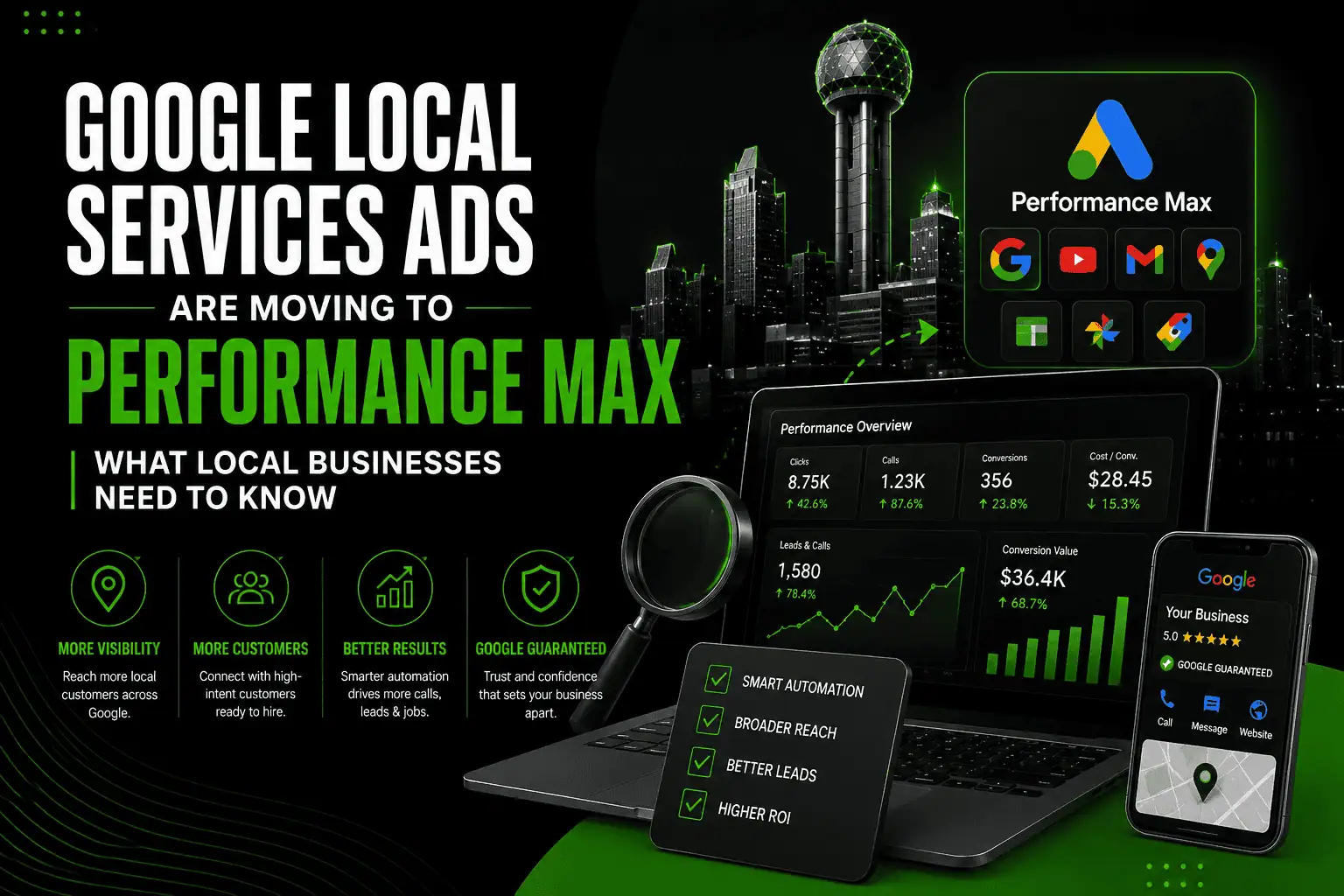
- Google Performance Max: An AI-driven solution for cross-channel ad campaigns.
- Meta Ads Manager: Offers advanced targeting for Facebook and Instagram ads.
- SEMrush and Ahrefs: For in-depth keyword research and competitor analysis.
Mastering PPC Advertising and Campaign Management – 2025 Guide
As the digital marketing landscape evolves, PPC (Pay-Per-Click) advertising remains a cornerstone for driving traffic, boosting sales, and enhancing brand visibility. In 2025, the strategies and tools for managing PPC campaigns are more advanced and data-driven than ever, ensuring businesses can effectively reach their target audience and achieve measurable results.
Here’s how Crossway Consulting Agency recommends optimizing PPC campaigns for success in 2025.
1. The Power of PPC Advertising in 2025
PPC advertising involves placing paid ads on platforms like Google, Bing, and social media channels, allowing businesses to target specific keywords and demographics. This ensures immediate visibility and real-time engagement.
Key Benefits of PPC Advertising
- Precise Targeting: Advanced audience segmentation for specific demographics and interests.
- Cost Efficiency: Pay only for actual clicks, ensuring better budget management.
- Real-Time Performance: Instant insights into campaign effectiveness for rapid optimization.
2. Emerging PPC Trends for 2025
AI-Powered Optimization
AI continues to transform PPC with tools that predict trends, optimize bids, and generate more effective ad copy. Automated campaign adjustments based on real-time data ensure better results.
Interactive Ads
Interactive formats like polls, quizzes, and augmented reality ads engage users more effectively, boosting click-through rates (CTR) and conversions.
Omnichannel PPC Strategies
Cross-platform campaigns integrate ads across search engines, social media, and video platforms to maximize visibility and reach.
3. Strategies for Different Industries
E-Commerce and Retail
- Keyword Focus: “Best deals 2025,” “Shop online discounts,” “Top-rated products.”
- PPC Strategy: Use Google Shopping ads, dynamic retargeting, and promotions tied to trends and seasonal demands.
Health and Fitness
- Keyword Focus: “Fitness solutions,” “2025 health goals,” “Join now for free.”
- PPC Strategy: Promote memberships and health solutions with time-limited offers and personalized messaging.
Travel and Hospitality
- Keyword Focus: “Vacation packages,” “Exclusive 2025 travel deals,” “Last-minute flights.”
- PPC Strategy: Highlight popular destinations, limited availability, and early-bird discounts for peak seasons.
Luxury Goods
- Keyword Focus: “Premium gifts,” “Exclusive watches,” “Luxury 2025 collections.”
- PPC Strategy: Focus on high-ticket items, emphasizing exclusivity and premium value in the ad copy.
4. Key Elements of Successful PPC Campaigns
Effective Keyword Research
- Leverage high-volume keywords to attract traffic and improve CTR.
- Use long-tail keywords for niche targeting and better conversion rates.
Engaging Ad Copy
- Include strong CTAs like “Shop now,” “Get started,” or “Book today.”
- Emphasize unique selling points, such as “Free shipping” or “24-hour delivery.”
Landing Page Optimization
- Ensure landing pages align with ad messaging for seamless user experience.
- Prioritize mobile-friendly design and fast loading times.
5. Advanced PPC Tools for 2025
- Google Performance Max: An AI-driven solution for cross-channel ad campaigns.
- Meta Ads Manager: Offers advanced targeting for Facebook and Instagram ads.
- SEMrush and Ahrefs: For in-depth keyword research and competitor analysis
FAQ’s
1. What Platforms Are Best for PPC Advertising?
Google Ads, Facebook Ads, Instagram, Bing Ads, and LinkedIn are popular platforms, each offering unique advantages based on business goals.
2. How Can PPC Campaigns Be Measured?
Key metrics include CTR, cost-per-click (CPC), conversions, and ROI. Analytics tools help monitor performance and identify areas for improvement.
3. What is PPC in Marketing?
PPC (Pay-Per-Click) in marketing is an online advertising model where advertisers pay a fee each time their ad is clicked. It’s a way of purchasing visits to a website rather than earning those visits organically. Common platforms for PPC include Google Ads, Facebook Ads, and Bing Ads.
4. What is PPC Advertising?
PPC advertising refers to the practice of placing paid ads on platforms such as search engines and social media to drive traffic to a website. Advertisers bid on keywords that they believe users will search for, and their ad appears in search results or social media feeds when the search term matches. Advertisers only pay when a user clicks on the ad.
5. What is PPC Campaign Management?
PPC campaign management involves planning, executing, and optimizing paid advertising campaigns across different platforms. This includes selecting the right keywords, writing ad copy, setting budgets, analyzing campaign performance, and making adjustments to maximize ROI (Return on Investment). Effective campaign management helps advertisers improve the performance and efficiency of their PPC campaigns.